
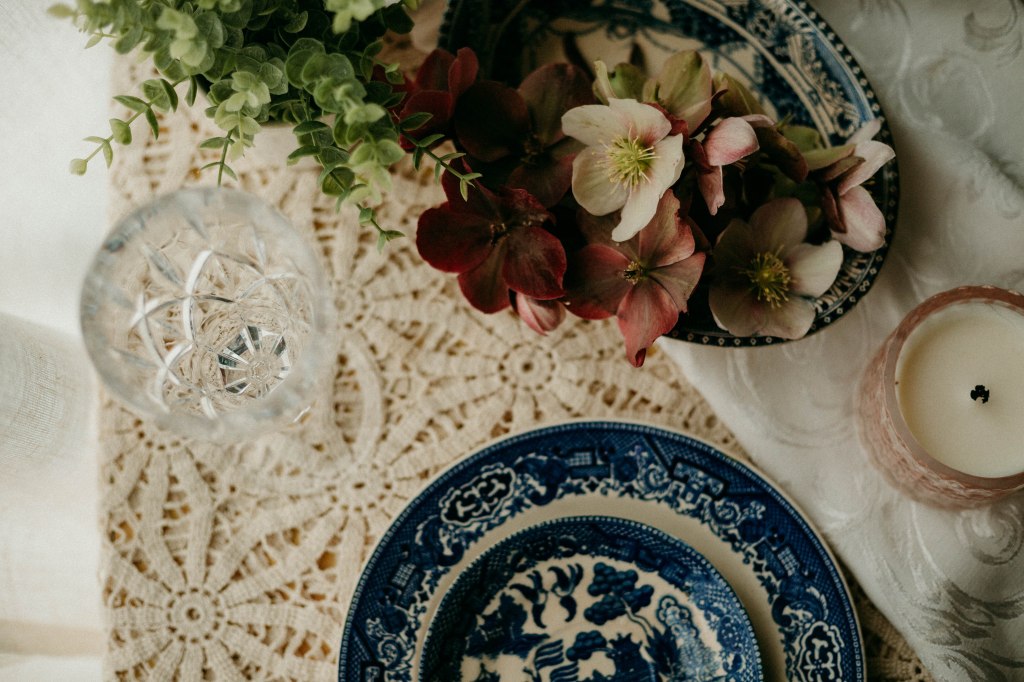
In my last post, I talked about the “why” behind our Sunday dinner tradition—about opening the boxes, using the heirloom dishes, and reclaiming the “special” in the everyday.
But I know what comes next. Once the inspiration settles, the reality of a busy calendar kicks in. With a 16-year-old son, a 14-year-old daughter, and two younger girls aged 8 and 3, I know that “free time” is a myth. You might think, “I want that connection, but I don’t have the energy for a five-course meal.”
I have a secret for you: Sunday dinner isn’t about the menu. It’s about the rhythm. It’s about creating a space where the 16-year-old actually wants to linger and the 3-year-old feels seen. If you’re ready to start your own tradition but feel overwhelmed, here are five simple ways to build a habit that actually sticks.
1. The “Low Bar” Rule
The quickest way to kill a new tradition is to make it too difficult. Your Sunday dinner does not have to be a roast chicken with three sides.
Some of our best Sundays have happened over a stack of pancakes or a couple of frozen pizzas served on my grandmother’s floral plates. The “Low Bar” rule means the goal is gathering, not gourmet. Whether it’s a night where the teenagers are exhausted from sports or the toddler is having a “moment,” take-out served on the “good” china still counts as a beautiful memory.
2. Create a “Uniform” for the Table
Decide on one or two things that make the table feel different from a Tuesday night. These small sensory cues tell your brain (and your kids) that the pace has shifted.
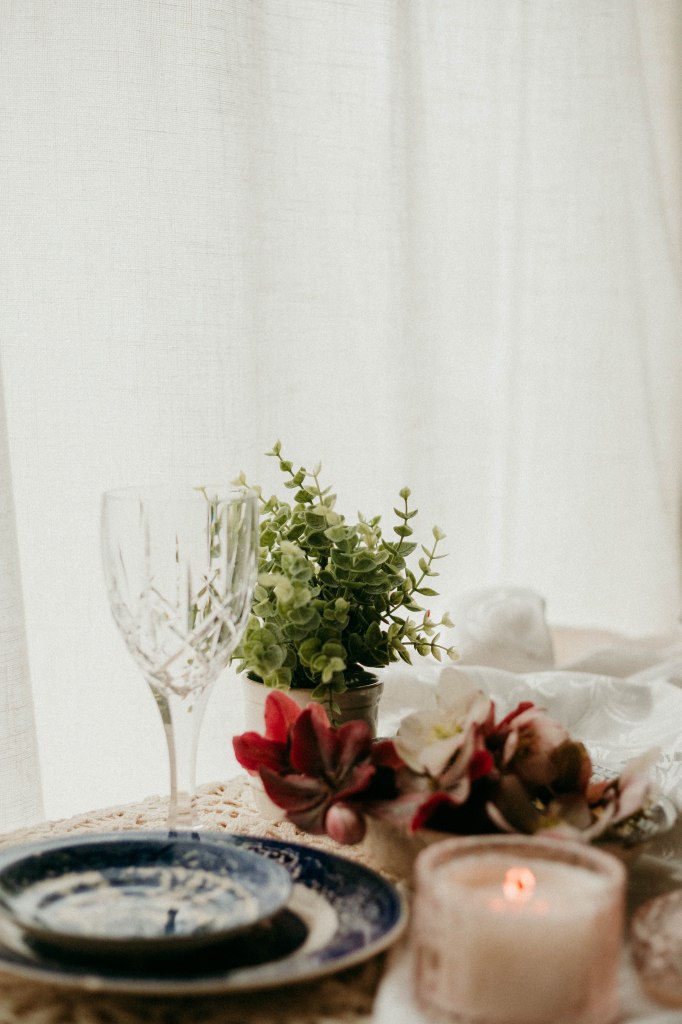
We light a specific beeswax candle and switch from paper to cloth napkins. My 14-year-old daughter often takes charge here; she has an eye for the aesthetic and loves helping choose which glasses feel “right” for the evening. It’s a quiet moment of connection between us before the rest of the house descends on the dining room.
3. The Magic of the Handmade Place Card
If there is one thing that has transformed our table, it’s my 8-year-old’s contribution. She has become our official “Table Stylist.” Every Sunday, she pulls out her markers and scraps of paper to create handmade placecards for everyone.
There is something so incredibly touching about seeing my 16-year-old son’s name written in an 8-year-old’s colorful, careful cursive, sitting next to a piece of vintage porcelain. It’s a small gesture that says, “You were expected. You have a place here.” It turns a simple meal into an event where everyone feels chosen.
4. Involve the Small Hands (and the Big Ones)
Sunday dinner is a legacy in the making. Even my 3-year-old gets involved, carefully carrying the sturdier silver spoons to the table.
As the kids handle the dishes that belonged to their great-grandmother, I find myself sharing fragments of her story. “She used to serve Sunday roast on this exact plate,” I’ll tell them. You aren’t just setting a table; you’re teaching them that they belong to a story much bigger than themselves. It bridges the gap between the brother who is almost a man and the sister who is still a baby.

5. The “Stay at the Table” Invitation
The magic of Sunday dinner doesn’t happen while we’re eating; it happens in the lingering.
We make it a rule that once the food is gone, we don’t rush to the dishwasher. We stay. We tell “high-low” points of the week, we play a quick card game, or we just sit in the candlelight a little longer. This is where the real connection lives—in the jokes the 16-year-old tells that make the 8-year-old fall over laughing, and the quiet conversations that only happen when the rush stops.
Making it Yours
Your Sunday dinner won’t look like a Pinterest board. It will look like your home—perfectly imperfect, scattered with handmade placecards and toddler crumbs, and full of the people you love.
What is one meal your family always agrees on? Could that be your first Sunday dinner?
 This Means Home
Leave a comment